
If you have ever typed “best sopa criolla near me” into your phone at eleven o’clock at night because a sudden craving hit you out of nowhere, you are not alone. This soup has a way of showing up in your thoughts uninvited, usually right when you need something warm, familiar, and a little bit nostalgic. Sopa criolla is one of those dishes that manages to feel like a hug in a bowl, and once you have had a properly made version, it is genuinely hard to settle for anything less.
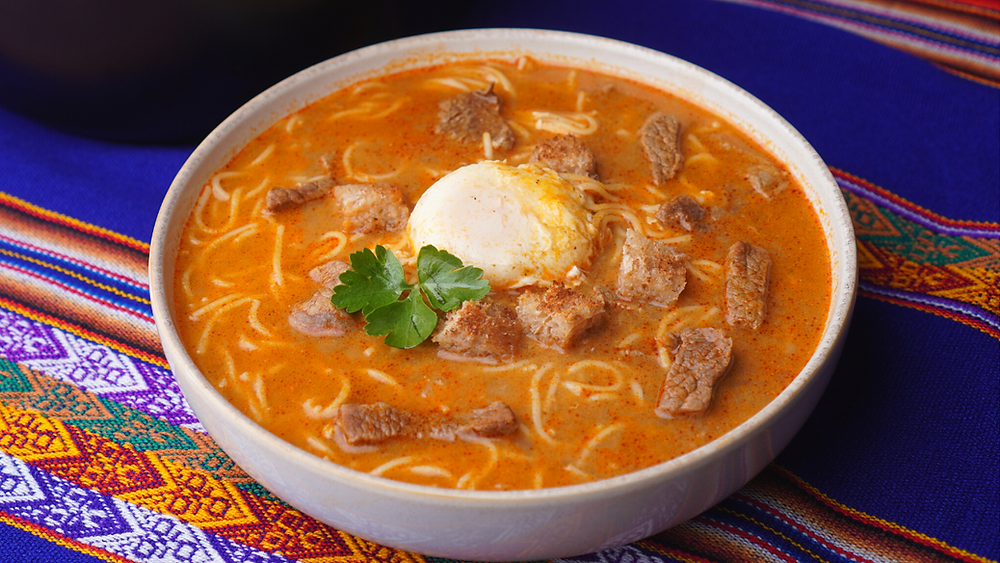
For the uninitiated, sopa criolla is a traditional Peruvian noodle soup built on a tomato-based broth, seasoned ground beef, evaporated milk for that signature creaminess, and thin spaghetti noodles that soak up every bit of flavor. It sounds simple on paper, but the magic is in the balance. A great bowl tastes rich without being heavy, tangy without being sharp, and comforting without being boring. That is exactly why so many people go searching for the best sopa criolla near me rather than trying to recreate it from scratch every single time.
What Exactly Is Sopa Criolla and Why People Love It
Sopa criolla, sometimes called Peruvian creole soup, is rooted in home cooking traditions that have been passed down through generations. It typically starts with a sofrito of onions, garlic, and tomato paste cooked slowly until the flavors deepen and turn slightly sweet. Ground beef is browned right into that base, giving the broth a savory backbone that noodle soups from other cuisines often lack. The evaporated milk is stirred in near the end, creating a pale orange, velvety broth that clings to the noodles in the best possible way.
What makes this dish so beloved is not just the taste, but the memory attached to it. Many people associate sopa criolla with rainy afternoons, family kitchens, or the first meal after a long trip home. It is the kind of food that restaurants can serve well, but rarely as well as a grandmother who has made it a thousand times. Still, when home is not an option, finding a restaurant that respects the traditional method becomes the next best thing, which is exactly why searches for the best sopa criolla near me spike so often among people missing that particular kind of comfort.
How to Actually Find the Best Sopa Criolla Near Me
Typing a search into your phone is easy, but sorting through the results to find something worth your appetite takes a little more strategy. Start by looking specifically for Peruvian restaurants rather than generic Latin American spots, since sopa criolla is a dish that gets its identity from Peruvian technique. A restaurant that lists it as a daily special or a weekend-only item is often a good sign, because that usually means the kitchen is making it fresh in smaller batches rather than keeping a giant pot simmering all week.
Reading recent reviews matters more than star ratings alone. A four-star restaurant with recent comments praising the broth’s creaminess and the tenderness of the noodles is often a safer bet than a five-star spot with reviews that are two years old. Photos posted by other diners can also tell you a lot. If the soup in the pictures looks pale, watery, or missing that characteristic orange-pink hue from the tomato and milk combination, it might be worth scrolling past. When you are genuinely trying to find the best sopa criolla near me, a little bit of visual detective work goes a long way toward avoiding disappointment.
Signs You Have Found an Authentic and Well-Made Bowl
There are a handful of details that separate an average bowl from a genuinely great one, and knowing what to look for makes the search much easier. The broth should have body without feeling thickened by flour or cornstarch, which some shortcuts unfortunately rely on. The noodles should be cooked just enough to hold their shape, never mushy, because overcooked noodles turn the whole dish into something closer to porridge than soup.
Another giveaway is the seasoning of the meat itself. In an authentic preparation, the ground beef carries hints of cumin, oregano, and sometimes a touch of aji amarillo paste for subtle heat. If the beef tastes flat or the soup relies entirely on saltiness for flavor, that is usually a sign the kitchen skipped a few steps. A well-made bowl also tends to arrive with a poached egg sitting on top, along with a slice of ripe avocado on the side, which are classic finishing touches that add richness and a nice contrast in texture.
“The first time I had real sopa criolla, I remember thinking it tasted like someone’s actual home cooking, not restaurant food,” said a longtime patron of a family-run Peruvian kitchen in her neighborhood. That kind of reaction is common among people who finally track down a version that gets the details right after trying several disappointing bowls elsewhere.
Comparing Common Variations You Might Encounter
Not every sopa criolla is made the same way, and regional or personal variations can change the experience quite a bit. Some cooks add a beaten egg directly into the broth near the end, creating thin ribbons throughout the soup rather than a single poached egg on top. Others incorporate diced potatoes or even a splash of pisco for a subtle depth that is hard to pinpoint but noticeably improves the final flavor.
Below is a simple breakdown of the variations you might come across while searching for the best sopa criolla near me, along with what each version tends to offer.
| Variation | Key Difference | Flavor Profile |
|---|---|---|
| Classic Creole Style | Poached egg on top, evaporated milk base | Rich, tangy, creamy |
| Egg-Ribbon Style | Beaten egg stirred into broth | Silkier texture, milder taste |
| Potato-Added Style | Diced potatoes included | Heartier, more filling |
| Spicy Aji Style | Extra aji amarillo paste | Warmer heat, deeper color |
| Pisco-Infused Style | Small splash of pisco added | Subtle complexity, aromatic |
Knowing these differences ahead of time helps you order with more confidence, especially if a menu description is vague or only says “traditional Peruvian noodle soup” without much detail. Asking your server a quick question about which style the kitchen makes can save you from ordering something that does not match what you were hoping for.
Why Location and Timing Matter More Than People Realize
One detail that often gets overlooked is that sopa criolla, like many soups, tastes noticeably better when it has not been sitting around for hours. Restaurants that make it in smaller batches throughout the day, rather than a giant pot at seven in the morning meant to last until closing, tend to serve a fresher and more vibrant version. This is part of why lunch service at many Peruvian restaurants tends to produce a better bowl than late dinner service, since the soup has simply had less time to lose its texture.
Location also plays a role in ingredient quality. Restaurants near markets that carry fresh Peruvian ingredients, like specific aji pastes or high-quality evaporated milk, often have an easier time nailing the authentic flavor. This is one reason searches for the best sopa criolla near me tend to cluster around neighborhoods with a strong Peruvian or broader Latin American community, since those areas typically have better access to the right ingredients and a customer base that will immediately notice if something is off.
Pairing Suggestions That Elevate the Experience
While sopa criolla is filling enough to be a meal on its own, pairing it thoughtfully can turn a good lunch into a memorable one. A simple side of white rice is a common companion in many households, allowing you to spoon a bit of broth over it for extra flavor. A cold glass of chicha morada, the purple corn drink with warm spices, balances the richness of the soup beautifully and adds a refreshing contrast.
For those who enjoy a little extra kick, a side of aji verde sauce can be spooned directly into the bowl for added heat and brightness. Bread is another popular option, particularly a crusty roll used for dipping, which helps soak up every last bit of that creamy tomato broth. These small additions may seem optional, but regular diners often say they make a noticeable difference in how satisfying the meal feels overall.
What Locals and Frequent Diners Often Say
Talking to people who order this dish regularly can reveal a lot about what actually makes a bowl worth returning for. Many describe the experience less in terms of exact flavor and more in terms of feeling. “It’s not just soup, it’s the thing my mom used to make when I was sick as a kid,” one regular customer shared while waiting for her order at a neighborhood Peruvian spot. That emotional connection explains why people are often willing to drive a bit farther or wait a little longer for a restaurant that gets it right.
Frequent diners also tend to notice small inconsistencies that casual visitors might miss, like whether the noodles are always cooked to the same texture or whether the broth color varies from visit to visit. Restaurants that maintain that consistency tend to build loyal followings quickly, and their names come up again and again whenever someone asks around for recommendations instead of relying purely on an online search for the best sopa criolla near me.
Tips for Ordering Like Someone Who Actually Knows the Dish
If you want to sound like a regular rather than a first-timer, there are a few small things worth knowing before you order. Asking whether the soup comes with a poached egg by default, since some places charge extra or leave it off unless requested, can save a bit of confusion. It also helps to ask how spicy the broth runs, since some kitchens build in more heat than others depending on how much aji paste they use in the base.
Ordering it as a starter rather than a main course is also common in more traditional settings, since many Peruvian meals begin with a soup course before a heartier main dish arrives. That said, plenty of restaurants serve it in larger portions meant to stand on their own, so it is worth clarifying portion size if you are particularly hungry. These small conversational details tend to make the whole ordering process smoother and often lead the staff to recommend other dishes worth trying as well.
Bringing It All Together
Finding a truly great bowl of this dish is less about luck and more about knowing what small details separate an average version from an outstanding one. From checking recent reviews and photos to understanding the different regional variations, a little bit of research before you order can make a real difference in how satisfying your meal turns out. The next time that craving hits and you find yourself searching for the best sopa criolla near me, you will already know exactly what to look for, what questions to ask, and what a genuinely well-made bowl should taste and look like.
At the end of the day, this soup carries a kind of warmth that goes beyond its ingredients. It represents comfort, tradition, and the kind of cooking that people grow up loving and never really outgrow. Whether you end up at a small family-run kitchen or a well-known Peruvian restaurant with a loyal following, the goal remains the same: a rich, creamy, satisfying bowl that reminds you exactly why this dish has earned such a devoted following in the first place.
Frequently Asked Questions
What does sopa criolla actually taste like?
Sopa criolla has a rich, slightly tangy flavor that comes from a tomato-based broth combined with evaporated milk, giving it a creamy texture without being overly heavy. The seasoned ground beef adds savory depth, while spices like cumin and oregano round out the overall taste. Many people describe it as comforting and a little nostalgic, especially if they grew up eating a homemade version.
Is sopa criolla usually spicy?
It depends on the kitchen, since spice levels can vary quite a bit from one restaurant to another. Some versions include a noticeable amount of aji amarillo paste, giving the broth a warm, gentle heat, while others keep it mild and let diners add spice themselves through a side sauce. If you are searching for the best sopa criolla near me and prefer things on the milder side, it is worth asking your server about the spice level before ordering.
Can I find a good version of this dish outside of Peruvian restaurants?
While sopa criolla is deeply tied to Peruvian cuisine, some broader Latin American restaurants do offer their own take on it, though the quality and authenticity can vary widely. For the most reliable results, restaurants that specialize specifically in Peruvian food tend to produce a version closer to the traditional recipe, since the dish relies on techniques and ingredients that are central to that culinary tradition.
What should I expect a good bowl to come with?
A well-made bowl typically includes a poached egg on top, thin noodles cooked to a tender but firm texture, and a creamy, tomato-based broth with visible bits of seasoned ground beef throughout. Some restaurants add a slice of avocado on the side or a small side of rice as well. These details are good indicators that a kitchen is putting real care into the dish rather than cutting corners.
How do I know if a restaurant serves an authentic version?
Look closely at recent reviews and photos, paying attention to comments about the broth’s texture and the seasoning of the meat. Restaurants that list sopa criolla as a rotating special rather than a mass-produced daily item are often making it fresh in smaller batches, which tends to result in better flavor. Asking staff directly about how the dish is prepared can also give you a good sense of whether the kitchen follows a traditional method before you commit to ordering.
You may also read Best Mondongo Soup Near Me: Where to Find Rich, Authentic Tripe Soup