
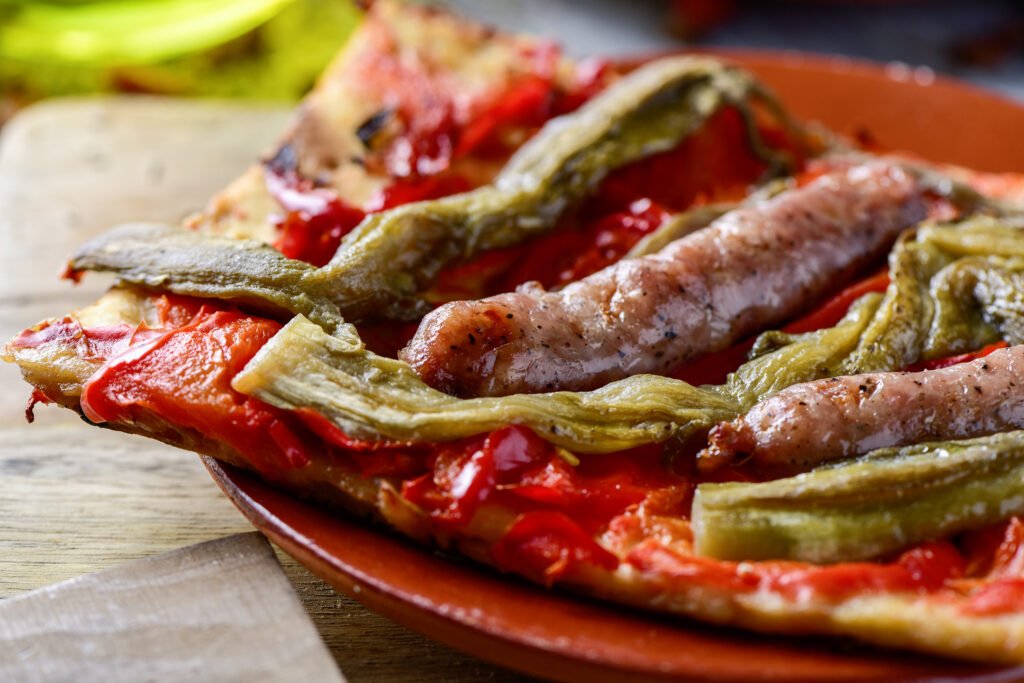

If you’ve ever typed “best coca de recapte near me” into your phone while standing in an unfamiliar neighborhood, you already know the feeling. That craving for something warm, savory, and unmistakably Catalan doesn’t come around often, but when it hits, it hits hard. Coca de recapte is one of those dishes that looks simple on the surface, a flatbread topped with roasted vegetables, but the truth is that getting it right takes patience, good ingredients, and a bit of old-fashioned technique that not every bakery bothers with anymore.
This guide exists because searching for the best coca de recapte near me shouldn’t feel like a gamble. Too many places slap the name on something that barely resembles the original dish, and that does a disservice to a recipe that has been passed down through generations of Catalan home cooks. We’re going to walk through what makes this dish special, how to spot the difference between an authentic version and a rushed imitation, and what to actually look for the next time you’re on the hunt.
What Exactly Is Coca De Recapte
Coca de recapte is a traditional flatbread from Catalonia, and it’s often described as a distant cousin to pizza, though that comparison undersells it a bit. The base is typically a thin, olive oil-enriched dough that gets topped with “recapte,” which loosely translates to a mix of seasonal roasted vegetables, most commonly red bell peppers, eggplant, onions, and sometimes tomato. Anchovies or sardines occasionally make an appearance too, adding a briny depth that balances the sweetness of the roasted veggies.
What separates this dish from other flatbreads is the way the vegetables are prepared before they ever touch the dough. They’re usually roasted slowly, often over open flame or in a wood-fired oven, until they develop that deep smoky char that you just can’t fake with a quick sauté. When someone tells you they found the best coca de recapte near me, chances are they’re talking about a place that hasn’t skipped this crucial roasting step. The dough itself should be thin but sturdy enough to hold the toppings without turning soggy, and it should have a slightly crisp edge with a soft, chewy center.
The History Behind This Catalan Classic
Coca de recapte has roots that stretch back centuries in rural Catalonia, particularly in regions like Tarragona and the Ebro area, where family gardens produced an abundance of peppers, eggplants, and onions during the summer months. Home cooks needed a way to use up the harvest before it spoiled, and the coca became a practical solution that also happened to taste incredible. It was often baked in communal ovens alongside bread, which meant families would send their dough and toppings to be cooked in batches, a tradition that still echoes in some small villages today.
Over time, the dish evolved from a purely rustic, use-what-you-have meal into something bakeries and restaurants started refining and serving as a specialty item. Even so, the soul of the dish never really changed. A properly made coca de recapte still tells the story of a Mediterranean summer, of gardens bursting with produce and ovens working overtime to feed a hungry household. That history matters because it explains why the search for the best coca de recapte near me often leads people to smaller, family-run bakeries rather than large commercial chains. The dish was never designed to be mass-produced, and the ones that taste best usually come from kitchens that still respect that original intent.
What Makes A Truly Great Coca De Recapte
Not all cocas are created equal, and if you’ve had a mediocre one, you might wonder what all the fuss is about. The difference almost always comes down to three things: the quality of the vegetables, the char on the roasting, and the balance of olive oil in the dough. A great version won’t drown you in oil, but it also won’t taste dry or bland. There’s a sweet spot, and skilled bakers know exactly how to hit it.
Another marker of quality is how the vegetables are layered. Cheaper versions tend to pile everything on haphazardly, which leads to uneven cooking and a soggy center. The better places take time to arrange thin strips of roasted pepper and eggplant so that every bite gets a bit of everything, plus that essential contrast between the crisp crust and the tender topping. As one longtime Catalan baker put it during a conversation about traditional recipes, “the vegetables should taste like they were kissed by fire, not just warmed up.” That single sentence captures exactly what separates the best coca de recapte near me searches from disappointing results.
How To Spot An Authentic Version Nearby
When you’re scrolling through search results or walking down a street trying to decide where to eat, there are a few practical signs that indicate you’ve found something genuine. First, look at the color of the toppings. Authentic roasted peppers should have visible char marks and a slightly blistered skin, not a uniform orange that suggests they were steamed or boiled instead of roasted. Second, check whether the menu lists seasonal variations. Traditional bakeries often change their coca toppings slightly depending on what’s fresh, which is a strong signal that they’re not just reheating a frozen base.
Smell matters too, more than people realize. A freshly baked coca de recapte should have a smoky, slightly caramelized aroma that hits you before you even take a bite. If the shop smells like nothing at all, or worse, like reheated frozen food, that’s usually a red flag. Reviews can help narrow things down as well, but pay attention to specific comments about texture and roasting rather than vague praise. Someone who mentions “perfectly blistered peppers” or “crisp edges” is giving you far more useful information than a generic five-star rating with no details.
Where Coca De Recapte Tends To Taste Best
Small, family-owned bakeries and traditional Catalan restaurants are usually your safest bet, especially ones that have been operating for decades. These establishments tend to treat the coca as a point of pride rather than just another item on the menu. Farmers markets and local food festivals in Catalonia are also excellent hunting grounds, since vendors there often bake in small batches using recipes handed down within their families.
Outside of Catalonia, things get trickier, but not impossible. Mediterranean bakeries and Spanish specialty restaurants in larger cities sometimes carry a version, though quality varies wildly depending on how closely the chef sticks to tradition. If you’re searching for the best coca de recapte near me while traveling outside Spain, it helps to look specifically for Catalan or Valencian restaurants rather than general Spanish tapas spots, since the dish is regional and not every Spanish kitchen will know how to make it properly.
Comparing Coca De Recapte To Similar Dishes
People often confuse coca de recapte with other flatbreads, and while the comparisons make sense on the surface, the differences matter quite a bit once you dig in. Below is a simple breakdown to help clarify where this dish stands among its closest relatives.
| Dish | Origin | Base Ingredients | Cooking Method | Typical Texture |
|---|---|---|---|---|
| Coca de recapte | Catalonia, Spain | Roasted peppers, eggplant, onion, olive oil dough | Wood-fired or conventional oven | Thin, crisp edges, soft center |
| Pizza | Italy | Tomato sauce, cheese, varied toppings | Wood-fired or deck oven | Chewy, often thicker crust |
| Coca de forner | Balearic Islands | Similar vegetables, sometimes with sobrassada | Traditional oven | Thin and slightly sweeter dough |
| Focaccia | Italy | Olive oil, herbs, sometimes vegetables | Baked in a pan | Thick, airy, oil-rich |
This table makes it easier to understand why coca de recapte occupies its own space in Mediterranean cuisine rather than simply being lumped in with pizza or focaccia. The absence of cheese and tomato sauce, combined with the emphasis on smoky roasted vegetables, gives it a flavor profile that’s genuinely distinct once you’ve tasted it side by side with these other dishes.
Tips For Ordering Like A Local
If you’re new to this dish, it helps to ask a few simple questions before ordering, especially at a restaurant you haven’t visited before. Asking whether the vegetables are roasted in-house, rather than pre-packaged, tells you a lot about how seriously the kitchen takes the recipe. It’s also worth asking if anchovies or sardines are included, since not everyone expects that briny addition, and some versions leave it out entirely for a purely vegetable-based coca.
Pairing matters too. A glass of light Catalan white wine or a simple vermouth works beautifully alongside the smoky sweetness of the roasted vegetables. Locals often eat coca de recapte as a starter or a light lunch rather than a full dinner, so don’t be surprised if the portion feels more like a shareable appetizer than a main course. Knowing this ahead of time helps you order enough for the table without over-committing to a dish meant for lighter grazing.
Why Home Cooks Keep This Tradition Alive
Even with bakeries and restaurants serving their own versions, plenty of Catalan families still make coca de recapte at home, particularly during the summer when peppers and eggplants are at their peak. There’s something communal about the process, roasting vegetables together, rolling out dough, and waiting for that oven timer, that commercial kitchens can’t quite replicate no matter how skilled the baker is.
A home cook from a small town near Tarragona once described the dish this way: “Every family has their own touch, a little more garlic here, a splash more oil there, and that’s what makes it feel like ours.” That sentiment explains why no two versions of coca de recapte ever taste exactly alike, and why the search for the best coca de recapte near me often turns into a personal journey rather than a simple checklist. You’re not just looking for a recipe executed correctly, you’re looking for a version that resonates with your own memory of what this dish should feel like.
Seasonal Variations Worth Trying
While the classic version relies on peppers and eggplant, seasonal ingredients sometimes find their way onto the dough depending on the time of year. In late summer, you might encounter versions with sun-ripened tomatoes layered in for extra sweetness. During cooler months, some bakers swap in roasted mushrooms or even a touch of caramelized onion to compensate for less abundant summer produce.
These variations aren’t a departure from tradition so much as an extension of it, since the entire point of the dish was always to use what was fresh and available. If you come across a bakery offering a seasonal twist, it’s worth trying, since it often reflects genuine culinary knowledge rather than a gimmick. A shop that adjusts its coca de recapte with the seasons is almost always a shop that understands the dish at a deeper level than one that serves the exact same version year-round regardless of what’s actually in season.
Final Thoughts
Finding the best coca de recapte near me isn’t about luck, it’s about knowing what to look for and being willing to ask a few questions before you commit to a bite. This dish carries centuries of Catalan tradition in every roasted pepper and every thin, oil-brushed layer of dough, and it deserves better than a rushed, mass-produced imitation. Whether you’re in Catalonia itself or searching through unfamiliar streets in another city entirely, paying attention to the roasting technique, the freshness of the vegetables, and the reputation of the kitchen will steer you toward something worth remembering.
At the end of the day, this is comfort food with a story behind it, and that story is best experienced through a version made with genuine care. Keep exploring, keep asking questions, and don’t settle for anything less than a coca that smells smoky, tastes balanced, and reminds you why this humble Catalan flatbread has stuck around for so long.
Frequently Asked Questions
What does coca de recapte actually taste like?
Coca de recapte has a smoky, slightly sweet flavor thanks to the roasted peppers and eggplant, balanced by a savory olive oil dough underneath. If anchovies or sardines are included, you’ll also get a subtle briny note that cuts through the sweetness of the vegetables. The overall experience is lighter than pizza, with a focus on the natural flavor of the roasted produce rather than heavy sauces or melted cheese.
Is coca de recapte the same as pizza?
Not really, even though the flatbread shape leads to easy comparisons. Coca de recapte skips tomato sauce and cheese entirely, focusing instead on roasted vegetables as the star of the dish. The dough is also typically thinner and less chewy than a traditional pizza crust, and the cooking philosophy leans more toward Mediterranean home cooking than Italian pizzeria tradition.
How do I know if a bakery makes an authentic version?
Look for visible char marks on the peppers and eggplant, a smoky aroma coming from the kitchen, and menus that mention seasonal ingredient changes. Reviews that specifically mention roasting technique or crust texture are usually more reliable than generic star ratings. If you’re specifically searching for the best coca de recapte near me, prioritizing small, family-run establishments over large chains will usually get you closer to an authentic result.
Can I make coca de recapte at home?
Absolutely, and many Catalan families do exactly that, especially during summer months when peppers and eggplants are abundant. The key steps involve roasting the vegetables slowly until they develop a deep char, preparing a simple olive oil dough, and layering everything thoughtfully so each bite gets a balanced mix of textures. It takes a bit of practice to get the roasting right, but the ingredients themselves are simple and widely available.
What should I drink with coca de recapte?
A light Catalan white wine pairs beautifully with the smoky sweetness of the roasted vegetables, and a simple vermouth works well too if you prefer something with a bit more bitterness. Locals often treat this dish as a starter or light lunch rather than a full meal, so lighter beverages tend to complement it better than something heavy or overly rich.
Why do some versions include anchovies or sardines?
This addition comes from coastal Catalan traditions, where seafood was abundant and often paired with garden vegetables to create a more filling dish. The briny flavor of anchovies or sardines balances the natural sweetness of roasted peppers and eggplant, adding depth without overwhelming the other ingredients. Not every version includes this element, so it often comes down to regional preference or individual family recipes.
You may also read Best Pastelitos De Guayaba Near Me: Your Complete Guide To Finding The Perfect Bite