
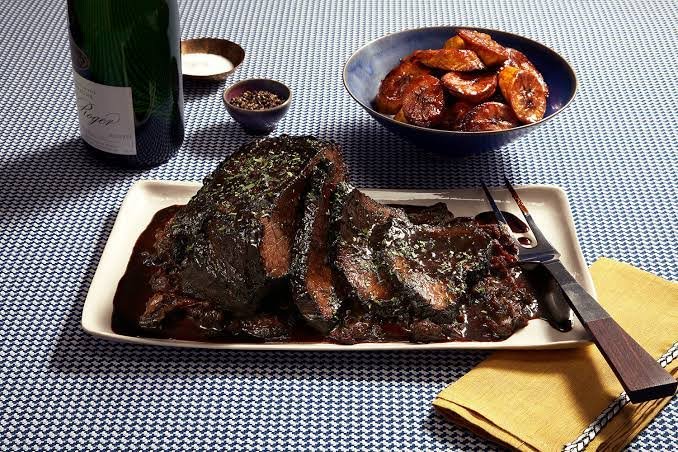

If you have typed “best asado negro near me” into your phone at midnight while your stomach growls, you are not alone. This dish has a way of getting under your skin, in the best possible way. It is dark, glossy, sweet, savory, and slow-cooked until the beef practically falls apart with the gentlest nudge of a fork. Once you have had a proper plate of it, mediocre versions simply will not cut it anymore.
Asado negro is a Venezuelan classic, and while it might look intimidating with its almost-black sauce, the flavor is anything but harsh. It is deeply caramelized, slightly sweet from browned sugar, and balanced with onions, garlic, and a splash of something acidic that ties everything together. Finding a restaurant that nails this balance is not always easy, which is exactly why so many people search for the best asado negro near me instead of just settling for whatever is closest.
What Makes Asado Negro So Special
There is a reason this dish has such a loyal following. Asado negro is not just braised beef with dark sauce thrown on top. It is a technique that requires patience, a good cut of meat, and a cook who understands how to build layers of flavor without rushing the process. The name literally translates to “black roast,” and that color comes from a caramelized sugar base that gets deepened even further with soy sauce, browned onions, and hours of slow simmering.
What separates a forgettable asado negro from an unforgettable one usually comes down to time and technique. The beef, often a chuck roast or a similarly marbled cut, needs to cook low and slow until it practically melts. Rush that step, and you end up with tough, stringy meat swimming in a sauce that tastes more bitter than rich. That is precisely why, when people search for the best asado negro near me, they are really searching for a kitchen that respects the process instead of cutting corners.
Why People Search “Best Asado Negro Near Me” So Often
Cravings do not wait around, and asado negro is one of those dishes that hits you out of nowhere. Maybe you had it once at a family gathering, or maybe a friend introduced you to it during a trip, and now you cannot stop thinking about that deep, almost smoky sweetness paired with rice and black beans. The search for the best asado negro near me tends to spike whenever nostalgia kicks in, especially among people missing home-cooked Venezuelan meals.
There is also a practical side to this search behavior. Not every restaurant that claims to serve Latin American food actually specializes in Venezuelan cuisine, and asado negro is a dish that suffers when it is treated as an afterthought. People want assurance that the place they are choosing actually knows what they are doing, rather than tossing beef into a dark sauce and calling it a day. That is why reviews, photos, and word of mouth carry so much weight when someone is trying to find the best asado negro near me.
How to Actually Find Great Asado Negro Nearby
Search engines are a good starting point, but they are not the whole story. When you type in the best asado negro near me, you will usually get a mix of Venezuelan restaurants, general Latin fusion spots, and a handful of home-based caterers who might not even have a storefront. Filtering through these results takes a bit of strategy if you want to land on something genuinely good rather than just convenient.
Start by looking closely at photos posted by actual diners rather than the restaurant’s own marketing shots. Real asado negro should look glossy and deeply colored, almost mahogany, with visible strands of tender beef rather than dense, uniform chunks. If the sauce looks thin, overly sweet like caramel candy, or oddly bright, that is often a sign the kitchen is not using traditional methods. Reading a handful of recent reviews specifically mentioning asado negro, rather than general comments about the restaurant, will usually tell you more than the star rating ever could.
The Role of Ingredients in a Great Asado Negro
Ingredients matter enormously here, and this is where a lot of restaurants either shine or completely miss the mark. Traditional asado negro relies on a good quality beef cut with enough fat marbling to stay moist through hours of cooking. Lean cuts might sound healthier on paper, but they tend to dry out and lose that signature fall-apart texture that makes the dish so satisfying in the first place.
The sauce itself is built from caramelized sugar, browned onions, garlic, bay leaves, and often a splash of Worcestershire or soy sauce for depth. Some cooks add a touch of vinegar or even a bit of dark beer to round out the bitterness from the caramelization. A kitchen that takes shortcuts here, using bottled sauces or skipping the caramelization step entirely, will produce something flatter and less complex. This is exactly the kind of detail that separates a plate you will remember from one you will forget by the next morning. <table> <tr><th>What To Look For</th><th>Sign of Quality</th><th>Red Flag</th></tr> <tr><td>Meat texture</td><td>Falls apart easily with a fork</td><td>Chewy or stringy despite dark color</td></tr> <tr><td>Sauce color</td><td>Deep mahogany, glossy sheen</td><td>Flat brown or overly black and dull</td></tr> <tr><td>Flavor balance</td><td>Sweet, savory, slightly tangy</td><td>One-note sweetness or bitterness</td></tr> <tr><td>Side pairing</td><td>White rice, black beans, plantains</td><td>Mismatched or generic sides</td></tr> <tr><td>Aroma</td><td>Rich, caramelized, slightly smoky</td><td>Sharp or artificial sweetness</td></tr> </table>
Pairings That Make Asado Negro Even Better
Asado negro rarely shows up alone on a plate, and that is by design. The traditional pairing is white rice and black beans, sometimes served separately and sometimes combined into a dish called pasticho or simply spooned side by side. The neutral rice soaks up that rich sauce beautifully, while the black beans add an earthy contrast that keeps every bite interesting.
Fried sweet plantains, known as tajadas, are another classic companion, and honestly, they might be the unsung hero of the whole plate. Their caramelized sweetness echoes the sugar in the asado negro sauce, creating a kind of flavor harmony that feels intentional rather than accidental. A small side salad with avocado can also help cut through the richness, giving your palate a break between bites of that deeply savory beef.
Home Cooking Versus Restaurant Asado Negro
There is an ongoing debate among Venezuelan food lovers about whether homemade asado negro beats the restaurant version, and honestly, it depends entirely on who is doing the cooking. A grandmother who has made this dish every Sunday for decades will likely outshine most restaurant kitchens simply because of muscle memory and years of tweaking her own recipe. That said, most people do not have access to that kind of home cooking on a random Tuesday night, which is exactly why the search for the best asado negro near me continues to be so popular.
Restaurants that specialize in Venezuelan cuisine often have an advantage in consistency. They make the dish daily, they have refined their process, and they usually source beef cuts specifically suited for slow braising. The tradeoff is that you lose that personal, family-recipe touch, but you gain reliability. As one longtime diner put it during a conversation about her favorite spot, “It tastes like my mother’s kitchen, minus the wait for Sunday to come around.”
Regional Variations Worth Knowing About
Venezuela is not a monolith when it comes to food, and asado negro varies depending on which region or even which household you are pulling the recipe from. Some versions lean heavier on the sweetness, using more panela or brown sugar, while others favor a more savory profile with a stronger presence of garlic and onion. Coastal variations sometimes incorporate a splash of rum or a hint of citrus, giving the sauce a brighter finish compared to inland versions that tend to be richer and more concentrated.
Understanding these variations can actually help you when you are searching for the best asado negro near me, because it reframes what “the best” even means. A restaurant serving a sweeter, coastal-style version is not necessarily better or worse than one serving a heavier, inland-style dish. It simply depends on your personal preference, and trying a few different spots can help you figure out which style resonates with your palate the most.
What Locals and Food Lovers Often Say
Ask around in any community with a strong Venezuelan presence, and you will find that opinions about asado negro run deep. People do not just have a favorite restaurant, they often have strong feelings about why that place earned its reputation. A chef who has spent years perfecting the dish once described it simply as “the dish that tells you if a kitchen actually cares or if they are just going through the motions.”
This sentiment comes up again and again in conversations about where to find the best asado negro near me. It is rarely about flashy presentation or trendy plating. Instead, it comes down to whether the kitchen respected the hours-long process the dish demands. Diners tend to trust word-of-mouth recommendations more than flashy advertising precisely because asado negro is so unforgiving of shortcuts.
Tips for Ordering Asado Negro Like You Know What You Are Doing
If you want to sound like a regular rather than someone stumbling in for the first time, there are a few small things worth knowing before you order. Asking whether the beef is slow-braised, rather than simply “cooked in sauce,” can give you a quick read on whether the kitchen takes the traditional approach seriously. Some places will happily tell you their cooking time runs several hours, which is usually a good sign.
It also helps to ask about the side pairings if they are not already listed clearly on the menu. A restaurant that automatically pairs asado negro with rice, black beans, and plantains is signaling that they understand the dish as part of a complete meal rather than an isolated entree. If you are ordering for takeout, consider asking whether the sauce travels well, since some restaurants thicken it slightly for dine-in service and thin it out for delivery, which can change the overall experience.
Making the Most of Your Search Results
When you search for the best asado negro near me, resist the urge to click on the very first result and call it done. Take a few extra minutes to compare photos, skim through recent reviews, and check whether the restaurant specializes in Venezuelan food or simply lists it as one item among dozens of unrelated dishes. Specialization tends to matter a lot here, since asado negro is not a dish that translates well when a kitchen is juggling five different cuisines at once.
It is also worth checking if the restaurant has been open for a while rather than a brand-new spot with no track record. Longevity in this space usually means they have built a loyal customer base, and loyal customers do not stick around for mediocre asado negro. Combining these small checks with your own gut feeling from photos and reviews will get you much closer to a plate that actually lives up to the search you just typed in.
Final Thoughts on Finding Your New Favorite Spot
Finding the best asado negro near me is not about luck, it is about knowing what to look for and being willing to try a few different places until something clicks. The dish rewards patience, both from the cook and from you as the diner willing to explore beyond the first search result. Once you find a spot that gets the balance of sweet, savory, and tender just right, you will understand why so many people become fiercely loyal to their chosen restaurant.
Keep in mind that taste is personal, and what one person calls the best might not match your own preferences perfectly. Use the tips above as a starting point, pay attention to texture and sauce color, and trust reviews that speak specifically about this dish rather than the restaurant in general. With a little effort, you will land on a version of asado negro that makes every future craving a little easier to satisfy.
Frequently Asked Questions
What exactly is asado negro made of
Asado negro is traditionally made from a well-marbled beef cut, often chuck roast, slow-braised in a sauce built from caramelized sugar, browned onions, garlic, and seasonings like soy sauce or Worcestershire sauce. The long cooking time allows the meat to become tender while the sauce deepens into that signature dark, glossy color. Some households add a splash of vinegar or citrus to balance the sweetness, which gives the final dish a more layered flavor.
How do I know if I found the best asado negro near me
The clearest signs are tender, fall-apart beef, a glossy dark sauce with real depth rather than flat sweetness, and traditional side pairings like rice, black beans, and fried plantains. Reading reviews that mention the dish specifically, rather than the restaurant in general, will usually give you a more accurate picture. Photos posted by actual diners also tend to reveal more truth than polished marketing images.
Is asado negro supposed to taste sweet
Yes, a mild sweetness is expected and intentional, since it comes from the caramelized sugar base used to build the sauce. However, that sweetness should be balanced by savory and slightly tangy notes rather than tasting like straight caramel or candy. If a version tastes overwhelmingly sweet with nothing else going on, it is likely missing some of the traditional depth the dish is known for.
Can I find good asado negro outside of Venezuelan restaurants
It is possible, but far less common, since asado negro requires specific technique and patience that general Latin fusion restaurants do not always prioritize. Restaurants that specialize in Venezuelan cuisine tend to have more consistent results because they make the dish regularly and have refined their process over time. If you are searching for the best asado negro near me, narrowing your search to dedicated Venezuelan spots will usually save you time and disappointment.
What should asado negro be served with
The most traditional pairings are white rice, black beans, and fried sweet plantains, sometimes accompanied by a light avocado salad to balance the richness. These sides are not just filler, they are meant to complement the deep, savory sweetness of the sauce and round out the meal. A restaurant that pairs the dish thoughtfully with these traditional sides is usually a good sign that they understand the dish beyond just following a recipe card.
Why does asado negro taste different from one restaurant to another
Regional variations play a big role here, since some cooks favor a sweeter, coastal-style sauce while others lean into a more savory, garlic-forward profile common in inland regions. Individual technique also matters enormously, since the caramelization process and cooking time can vary significantly from kitchen to kitchen. This is part of why trying a few different restaurants can be worthwhile, since your personal favorite might come down to which regional style suits your palate best.
You may also read Best Tarta de Brocoli Near Me: Your Complete Guide to Finding the Perfect Slice